
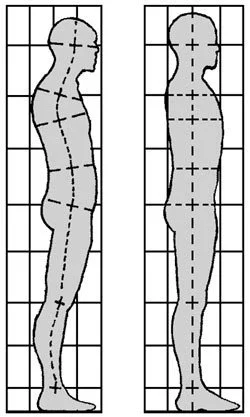
What is Structural Integration?
Structural Integration is a form of bodywork that helps organize and align the body by releasing patterns of tension and strain. As your body comes into better balance, movement becomes easier and more efficient.
Many people describe feeling more “upright,” “longer,” and less weighed down after sessions.
Why It Matters
Whether we notice it or not, our bodies are constantly adapting to gravity. When the body is out of balance, gravity pulls unevenly—creating strain, fatigue, and compensation patterns.
Over time, this can feel like:
Chronic tension
Stiffness or restricted movement
Ongoing discomfort or pain
Structural Integration helps restore a more natural alignment, allowing your body to support itself with less effort.
How It Works
This work focuses on fascia—the connective tissue that surrounds and supports muscles, bones, and organs throughout the body.
Fascia forms a continuous web. When it becomes tight or restricted—due to injury, stress, repetitive movement, or even emotional tension—it can pull the body out of balance.
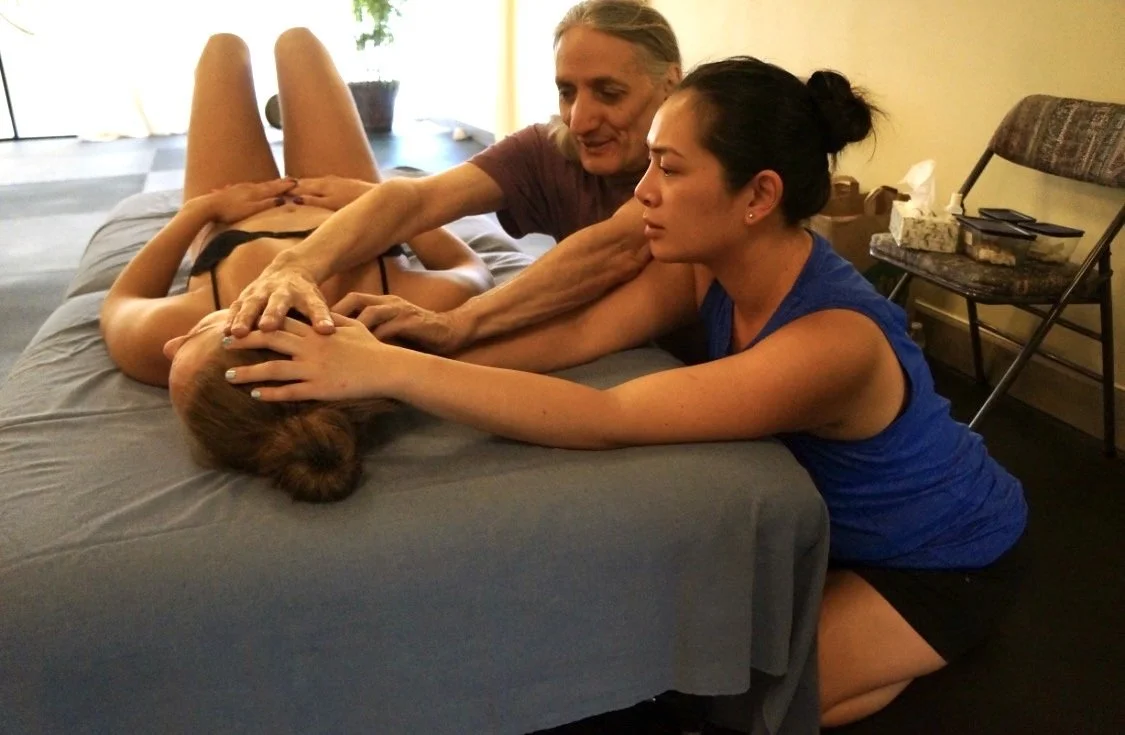
Through hands-on techniques and guided movement:
Tight, shortened tissue begins to release
Hydration and glide are restored
The body reorganizes into a more balanced structure
Clients often notice improvements in movement, breathing, and overall comfort.
Benefits
Structural Integration may help you experience:
Greater ease of movement
Improved posture and alignment
Increased flexibility
Relief from chronic tension and pain
Deeper, more natural breathing
A sense of feeling lighter and more at ease in your body